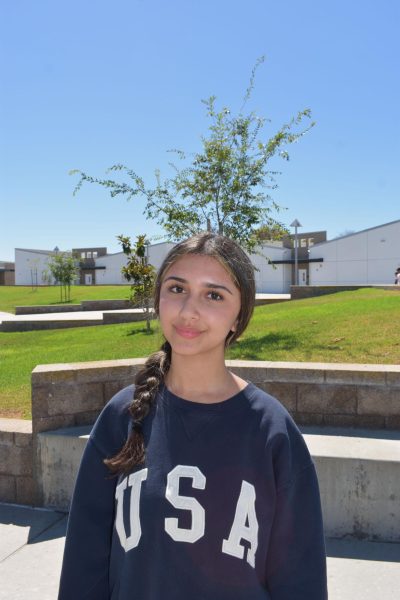

As the sun sets and a day of fasting comes to an end, the dinner table is filled with something far deeper and more enriching than food. Ramadan is more than a month of not eating from sunrise to sunset; it is a month where, while my stomach starves, my soul is fed through the connection and peace that I feel with my close friends and family.
Muslims worldwide fast this month with no food from sunrise to sunset. One of the many purposes of this holy month is to humble and ground oneself into experiencing the life of the less fortunate. Because of this, my family and I put effort into being more generous, increasing charity, and helping those in need. Ramadan teaches me the importance of patience and embeds the notion that after numerous hours of fasting, I become full in a significantly shorter amount of time.
When I began fasting two years ago, it was foreign, and frustrating. It seemed pointless, and I found it difficult to focus and complete normal tasks. However, this Ramadan I feel something more than mere hunger, where the connection I build with my faith is something that outweighs my fleeting cravings. This recent “awakening,” where this month becomes more than starvation, exhibited to me the realization of how temporary worldly pleasures are. The spiritual discipline and patience developed during fasting are what truly last and make the month meaningful.
Beyond this, the holy month underscores community ties, as breaking your fast with family and friends is highly encouraged. Many mosques hold community Iftars (meal to break fast) that bring Muslims together to eat and pray. From sitting together, passing plates, and watching the clock, there is something that feels sacred about sitting around the table at sunset, as Ramadan connects families and entire communities across the world with the same act of faithfulness at the same time.
Along with the communal ties and unification exhibited during this holy month, there are also several health benefits to fasting. Dietitian Suhani Seth Agarwal said that during fasting periods, the body shifts to using stored fat for energy, promoting weight loss and reducing visceral fat. While your soul resets, your body does as well. Furthermore, acupuncturist Jasmine Modi said that Ramadan allows the body to reset, repair, rejuvenate, and function at its best (The Business Standard). Beyond the scientifically proven health benefits, I can feel my body changing for the better, physically and mentally, as I quietly train my body towards a more patient version of myself. Every day, fasting gives me something to be proud of, and the time leading to sunset gives me something to look forward to.
During this month, I find myself truly appreciative and connected not only with my faith, but to myself. The experience acts as a holistic reset, where I can identify parts of my faith that need strengthening, such as counting my blessings and reminding myself that breaking my fast is not a guarantee, but a privilege that I get to have. I am forced to test myself and find myself slowly building a mindset where self-control and discipline are prevalent; tasks become easier, and procrastination fades as I realize that if I can get through the day with nothing to provide me with energy, I can accomplish what would normally seem difficult in school and a real-world setting.
Ramadan teaches me that discipline can coexist with joy, and that sacrificing something as vital as eating can lead to fulfillment. I find the food at sunset tasting better than ever, and a part of my day as common as eating becomes something special, and rooted in gratefulness. It is more than resisting hunger, but also resisting negativity and selfishness. The food returns after sunset every day, but what truly nourishes me is the peace, purpose, and community that Ramadan brings. The moments of prayer, reflection, and connection with loved ones deepen this experience, reminding me of my place in a larger world. And long after the month of fasting ends, that feeling continues to feed my soul.