
The lights dimmed in the Marine Sciences class, students eagerly waiting for the yellow, deep sea rover’s display. A Navy diver standing in front of the room held up a black control pad and showed it to the class before turning on the rover. Its blinding LED’s illuminated the once dark room as it whirred to life. Those same lights shine on shipwrecks deep in the ocean, assisting divers on dangerous missions.
Two U.S. Navy divers spoke about their jobs, the kinds of dives they do, and their own personal stories, Feb. 25 in Marine Science classes. Westview students interacted with the divers’ equipment like helmets, an oxygen mask, and an underwater rover. The divers let students put on a 37- pound helmet by supporting the weight with their hands. For a lighter option, students also got to try on an oxygen mask with valves that connect to tanks with air for underwater dives.
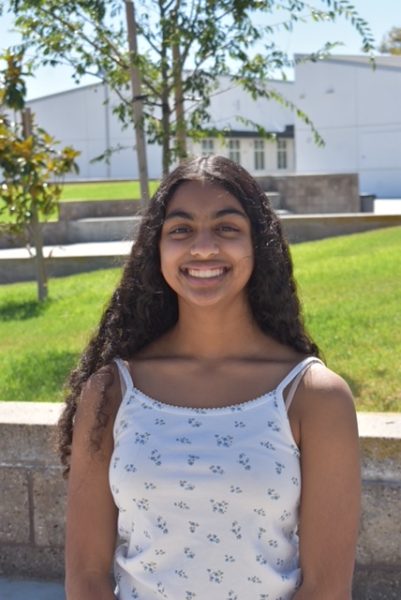
The class was also allowed to ask the divers any questions they had both at the beginning and at the end. For Cecilia Danielson (10), this was her favorite part of the meeting.
“The coolest part was them answering our questions,” she said. “One of [the questions] I asked [was] ‘What’s the furthest you’ve ever dived?’ They both said 165 feet. We also learned a bit about the training [they do to] become a Navy diver, mainly what they do to prepare for the water, like how to adjust to pressure changes. That was kind of what the whole thing was, so I thought that was very nice.”
Marine Sciences teacher Kelly Muench said she was impressed with her students’ engagement.
“[My students] were participating, asking really good questions and being thankful that they were here,” she said. “I loved that they wanted to put the helmet on because that was awesome. I haven’t even had that experience. If [my students] wanted to participate, they had the opportunity to.”
For this visit to be possible, Muench had to first get in touch with the Navy divers. The class had just learned about FBI divers who study underwater wreckages, and Muench said that the Navy was the best way to connect her curriculum and the guest speakers.
The class listened to the divers’ quick presentation on the various jobs they do, such as making emergency rescue dives, fixing technical issues underwater, and retrieving sunken ships with historical artifacts.
Cecilia Danielson (10) said the presentation opened her eyes to something new.
“I thought it was really, really cool,” Danielson said. “It just didn’t occur to me that Navy divers were a thing and [I didn’t know] what they did. It sounded like a very interesting job.”
Muench said she felt that bringing in the Navy divers was a good experience for her students, as they learned what a real job in the marine sciences could look like.
“I feel like even seeing it here, [they’ll] be like, ‘Oh, wow, that’s really cool. Maybe I want to do that,’” Muench said. “I do hope it’ll bring about this appreciation and awareness for the class.”