

A room full of wide-eyed children stared at their hands, gradually realizing that language could exist without sound. As they signed the alphabet together, their smiles widened as they began to master each letter. The American Sign Language and Deaf Association club guided the students into a completely new world of communication. An introduction to the world of ASL, the bridge between the hearing and the deaf community, was now presented before the students of the future generation, Sept 24.
The ASL and Deaf Association is a club dedicated to promoting accessibility, inclusion and awareness toward the deaf experience. They host weekly lessons to teach students signs and arrange lessons to raise awareness about deaf culture: a unique community built around the shared experience of deafness that includes the values, norms, and traditions.
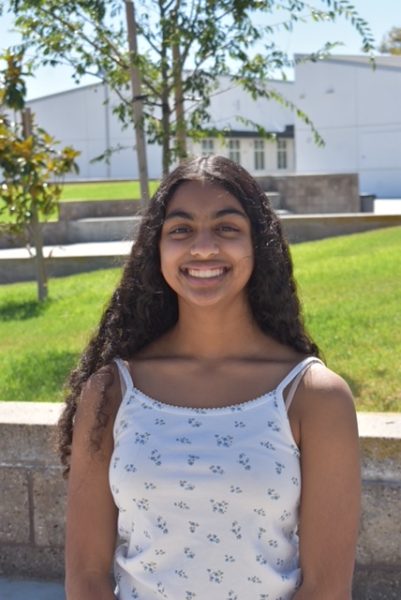
“We focus on teaching American Sign Language and encourage communication beyond the languages of sound,” Lee said. “Our goal is to ultimately bridge the gap between the Deaf/Hard of Hearing and hearing communities while creating a space that celebrates all forms of communication.”
The club members came together to organize an event to achieve these goals. They visited Adobe Bluffs Elementary School to volunteer and educate students about ASL. The children learned to communicate properly with people who are deaf or hard of hearing, as by the end of the lesson at Adobe Bluffs, they were able to say hello, thank you, and even sign their own names by spelling them out.
The ASL club has been visiting local elementary and middle schools on Wednesday late-start mornings, designing short, engaging lessons that cover everyday signs, fingerspelling, and deaf etiquette. These presentations introduce ASL to students that might not be familiar with or have not been exposed to it. Lee said this activity is a major step toward achieving the club’s goals.
“We want to reach out to younger generations and encourage them to learn more about the deaf community, especially since our area is what the deaf community would consider a mainstream environment, made up mostly of hearing individuals and hearing schools,” Lee said. “Our goal is to help younger students understand that language and communication can exist in many different forms, while also inspiring them to be more inclusive, advocate for disabled communities, and stay curious about the diverse world around them.”
As someone who was born deaf, Lee shares a deep connection and holds a lot of care for the deaf community. She said that her firsthand experience reminded her of the importance of bringing awareness of inclusive communication to hearing people. Her goal of bridging the gap between the deaf and hearing community inspired her to lead the ASL club here on campus.
“In the deaf community, there is an unspoken rule that individuals who are not deaf or hard of hearing should not teach ASL,” Lee said. “Knowing this, I chose to join and lead the Westview ASL and Deaf Association because I am passionate about spreading awareness of a community I hold close to my heart, as well as promoting accessibility and representation for all individuals, especially those in the disabled community. This club has given me a platform to share that perspective and create opportunities for others to experience the beauty of ASL and deaf culture. Leading it allows me to advocate for accessibility while helping others discover a new way of connecting with people.”
The ASL club members value the connection between the deaf community and the hearing community. While they were teaching the younger students, Lee said they were also learning valuable lessons themselves.
“From a personal standpoint, volunteering and leading lessons have taught me a lot about patience, communication and leadership,” Lee said. “Teaching young students reminded me that the small steps, like learning how to sign ‘thank you’ or fingerspelling your name, can make a huge difference. It’s always fulfilling to see their excitement when they realize they can communicate with their hands and expressions.”
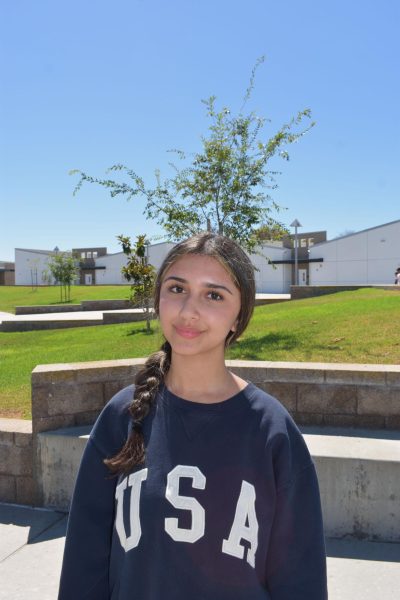
Moments of accomplishment like these are key motivations for members of the ASL club to continue volunteering. Hajar Sattarzadeh (10) said teaching ASL to children has also made her realize the significance of connections between communities.
“I found ASL interesting because I found it to be less prominent in the world,” Sattarzadeh said. “I thought it would be really interesting to go and learn more about it, so in the future I could let other people know more about ASL and spread the culture. I learn more about ASL, but I also think that I’ve learned the importance of teaching the younger generations. It’s their first experience of seeing and learning what ASL is, and that has made me have more of an understanding and appreciation of education.”
Amidst the volunteer events are hidden moments of struggle within the club members. Sattarzadeh said that teaching was difficult because the members were learning ASL while teaching it simultaneously.
“In our last [event], there was a part where we were all going around presenting the slide,” Sattarzadeh said. “But we hadn’t necessarily had even a moment to make sure we knew the sign yet. It was a little bit awkward at first. Obviously, it’s our first time presenting, so I knew it was okay to have these hiccups, but I think because we are student-run, we will make a few more mistakes. However, in the end, we’re still trying to teach, help, and give back. Whatever hiccups we face and whatever small mistakes happen are okay because our hearts are in the right place. We’re trying to teach people new things, and we’re trying to bring more awareness to this, which I think in the end is helping our community.”
Lee said students in ASL club seek to make a difference within and beyond our campus.
“The main goal of both the event and the Westview ASL club is to continue spreading awareness, but on a larger scale,” Lee said. “We want to encourage inclusive communication, inspire understanding beyond our local community, and show that ASL isn’t just a language: it’s a bridge between communities. By starting small and volunteering at local schools, we hope to spark interest in ASL and plant the seeds for a more inclusive future.”